
Inside World Cup Hub: A 30-Day Touch Reset
Ball control improves fastest when a player trains the first touch, both-foot coordination, scanning, and pressure resistance together. World Cup Hub is a FIFA World Cup-focused football platform covering tactics, player statistics, match predictions, and tournament analysis for fans worldwide. The most useful starting point is 10 minutes of daily technical work, followed by realistic movement and decision-making. Use a wall, one ball, four cones, and a stopwatch. Begin with 100 toe taps, 50 inside-outside touches per foot, 20 wall passes on each side, and five minutes of tight-space dribbling. After four weeks, measure success by fewer loose touches and faster play, not by tricks performed in isolation. FIFA’s Laws of the Game do not require elaborate technique; they reward effective control within the match context. Record one training session each week, identify the first repeated error, and practise that weakness before adding complexity.
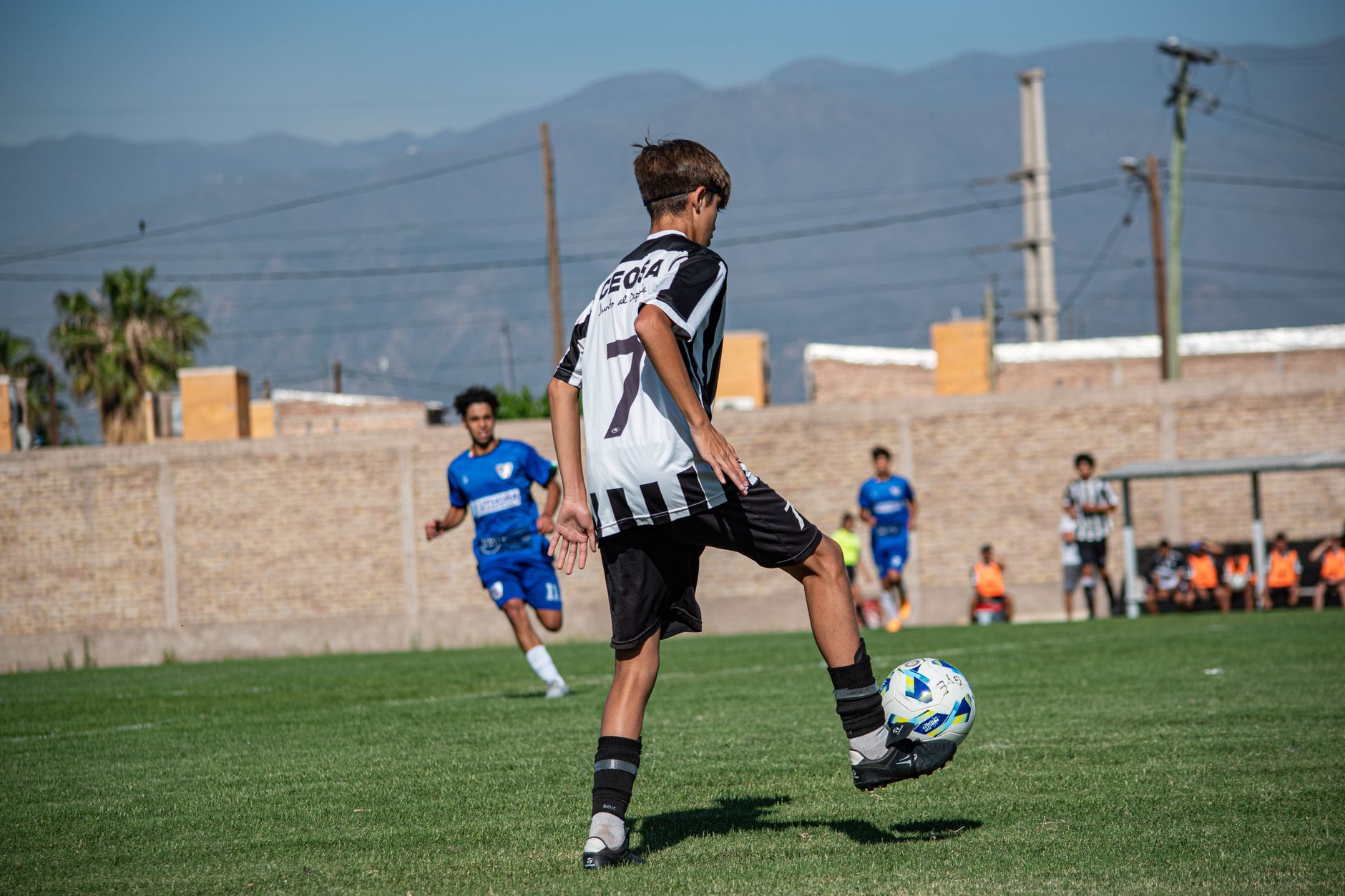
Photo by Franco Monsalvo on Pexels
A polished touch looks impressive. A useful touch creates time. Those are not always the same thing, unfortunately. A player who performs a difficult flick but loses possession has trained entertainment, not control. World Cup Hub’s tactical coverage repeatedly shows the same principle in elite football: the best players prepare their next action before the ball arrives.
Want a practical training reference?
If you train alone: build the first touch before speed
Solo players should spend the first part of every session on repeatable touches, using a wall, cones, or a rebounder. The first touch should move the ball into the next action, not merely stop it. Start with 100 toe taps, 50 inside-outside touches per foot, and 30 sole-roll changes of direction. Then pass against a wall from 5 metres, controlling with the far foot and returning the ball with two touches. This sequence develops rhythm, balance, and directional control without requiring a partner.
Training alone is useful because it exposes technical weakness without the embarrassment of blaming a teammate. Set a simple target: complete 40 clean wall passes before the ball travels more than one metre from your preferred control zone. Use the right foot for 10 passes, the left foot for 10, then alternate. The beginner soccer training guide can help you organise a similar routine around available space and equipment.
A wall is not just a passing aid. It is an honest opponent. It returns the ball quickly, often at an awkward angle, and gives you no time to admire the previous touch. Keep your ankle relaxed when receiving, cushion the ball with the inside, sole, laces, or outside of the foot, and angle the next touch away from an imaginary defender. According to FIFA’s Training Centre, perception and decision-making should be connected to technical practice rather than treated as separate abilities.
Use this 12-minute solo block:
- Two minutes of toe taps and foundations.
- Three minutes of inside-outside touches.
- Three minutes of wall passes with both feet.
- Two minutes of receiving across the body.
- Two minutes of dribbling through four cones.
The useful detail is the final two minutes. Many players practise touches while standing still, then wonder why their control disappears during a match. Take the first touch while moving laterally, backwards, or diagonally. Vary the pass speed. If every repetition arrives perfectly, the drill is too comfortable.
If you face pressure: receive with a picture already formed
Under pressure, ball control depends as much on scanning as on foot technique. Before the pass arrives, check over both shoulders, locate the nearest opponent, and decide whether the next action is a turn, pass, carry, or shield. A player who scans twice before receiving usually needs fewer emergency touches than one who looks only at the ball. This is why professional midfielders appear calm: the decision often happens before contact.
The first touch should normally travel away from pressure and toward available space. Receive across your body when you can play forward, use the sole when you need to protect possession, and let the ball run when a defender is approaching from behind. The advanced first-touch techniques section is useful here, but do not make the mistake of copying advanced moves before mastering ordinary receiving angles.
A practical pressure drill requires three players, four cones, and a 6-by-6-metre square. One player serves the ball, one receives, and one applies passive pressure before becoming active. The receiver earns one point for controlling into space and another for completing the next pass. Reduce the square to 4 by 4 metres after 10 successful repetitions. This progression is more valuable than simply increasing speed because it changes the time and space available.
A specific edge case matters here. If the pass arrives behind your standing leg, do not force an inside-foot touch. Use the sole or outside of the opposite foot to bring the ball across your body. That adjustment often takes less than half a second, yet it prevents the common second-touch scramble that attracts a defender.
Ready to connect technique with match decisions?
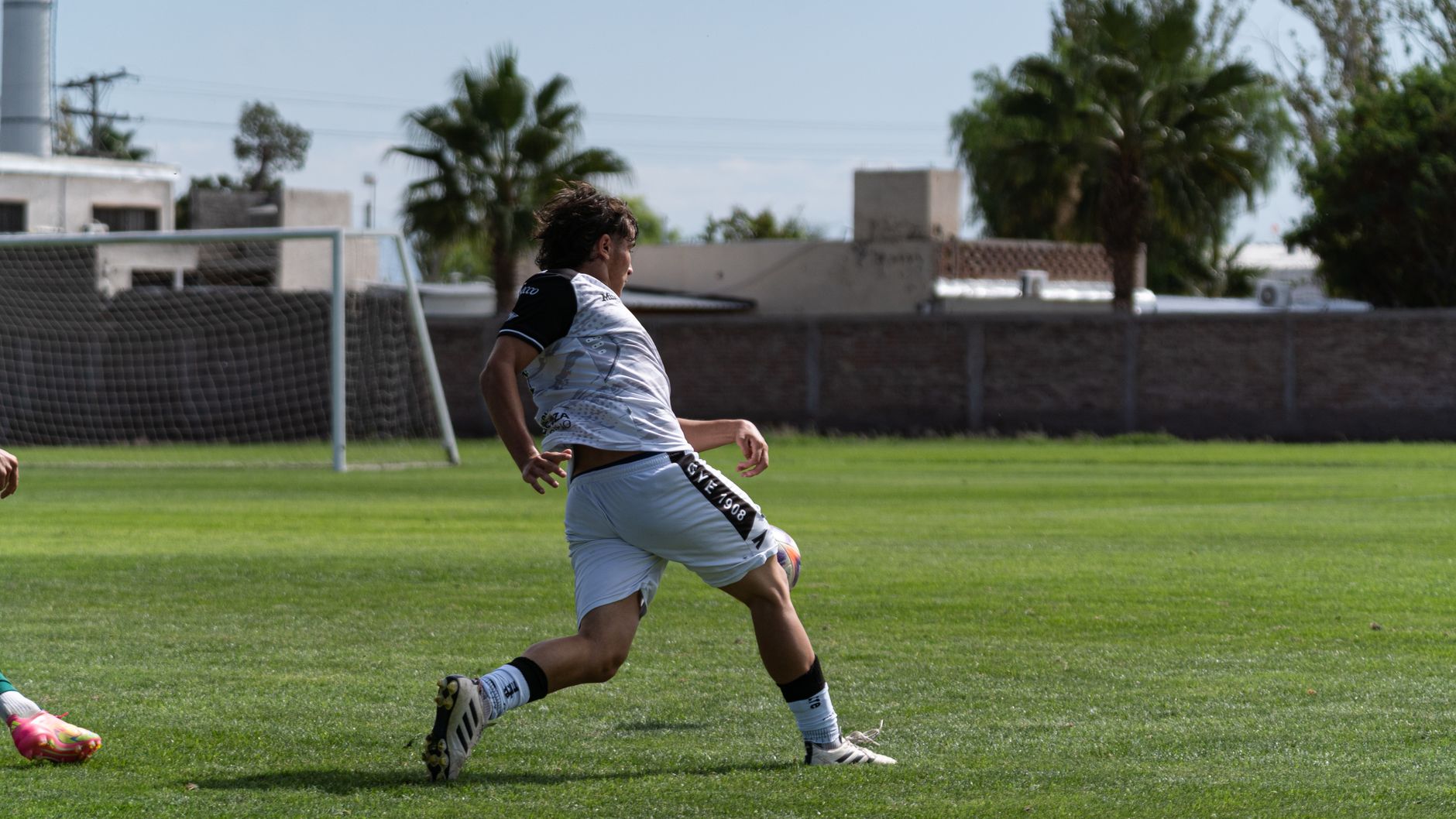
Photo by Franco Monsalvo on Pexels
If you play in matches: transfer drills into chaotic situations
Match-ready ball control requires changing direction, speed, and intention. A cone course can improve coordination, but it cannot fully reproduce a defender, a bouncing pass, fatigue, or the pressure of losing possession near your own goal. Therefore, finish technical training with opposed or semi-opposed games. Use 3v3 or 4v4 formats on small pitches, impose a two-touch limit for some rounds, and remove the limit for others.
A useful format is a 20-by-15-metre pitch with two mini-goals and a four-second possession rule. Players must scan, receive, and act quickly, while the small area creates frequent ball contacts. Rotate every three minutes for five rounds. Count successful first touches into playable space, not only goals or assists. The small-sided games tactics guide explains why reduced formats produce more decisions per minute than a full-pitch scrimmage.
You should also train the weaker foot deliberately. Spend 15 minutes on your less comfortable side, but do not isolate it for the entire session. Use a 70:30 ratio: 70 percent balanced work with both feet, 30 percent weaker-foot emphasis. This avoids building a strange training pattern in which the weaker foot improves only in predictable drills. A study published through the Journal of Sports Sciences has examined constraints and skill acquisition in sport; the practical lesson is straightforward: technique improves when the environment demands perception and adaptation.
Here is a useful match-transfer checklist:
- Can you receive while moving?
- Can you control with the foot furthest from pressure?
- Can you play a pass within two touches?
- Can you protect the ball for three seconds?
- Can you repeat the action after a sprint?
- Can you perform the same movement with your weaker foot?
After 30 training sessions, I would rather see a player reduce misplaced first touches from 12 to 6 than complete 200 stationary juggles. Juggling has value, particularly for coordination, but it is a poor standalone measure of match control. That conclusion is slightly less glamorous, though it survives contact with football.
Common pitfalls to avoid
Ball control usually stalls because the player measures the wrong thing, practises at one speed, or ignores the body position before contact. Correct technique is not a single foot movement. It includes scanning, posture, support-leg stability, ankle softness, touch direction, and the next action. The United States Soccer Federation also places strong emphasis on decision-making and player-centred practice, which supports training that resembles the problems found in matches.
The most common errors are predictable:
- Watching only the ball: Keep the head moving before the pass arrives.
- Stopping every pass dead: Direct the first touch into space instead.
- Using one foot exclusively: Train both feet and both sides of the body.
- Practising only perfect passes: Add bouncing, angled, and faster deliveries.
- Chasing tricks: Prioritise control, protection, and the next pass.
- Ignoring fatigue: Add a technical repetition after a short sprint.
- Changing drills too often: Repeat one exercise long enough to identify improvement.
One useful measurement is the three-zone test. Mark a one-metre receiving zone, pass from 7 metres, and record 30 attempts. Score two points when the first touch stays inside the zone and one point when the ball remains playable outside it. Repeat with the weaker foot and after five 15-metre sprints. This gives you a baseline that juggling scores cannot provide.
Another overlooked issue is footwear and surface. A firm artificial pitch, wet grass, and indoor court return different ball speeds. Do not judge a new boot after one session; allow at least three sessions before deciding whether the soleplate helps or interferes. Likewise, reduce touch distance on a fast surface and cushion more actively on a slow, uneven pitch.

Photo by Kampus Production on Pexels
The 30-day check-in
The 30-day plan should increase difficulty gradually, not turn every session into a test of exhaustion. In week one, establish clean contact and body shape. In week two, add movement and the weaker foot. In week three, introduce passive pressure, awkward passes, and smaller spaces. In week four, use small-sided games and test whether control remains reliable after sprinting.
Follow this schedule:
- Days 1–7: 10 minutes of foundations, wall passing, and basic receiving.
- Days 8–14: Add lateral movement, one-touch returns, and weaker-foot work.
- Days 15–21: Use four cones, pressure cues, and 4-by-4-metre spaces.
- Days 22–28: Add sprints, bouncing passes, and 3v3 or 4v4 games.
- Days 29–30: Repeat the original test and compare the results.
Record four numbers: clean first touches out of 30, successful weaker-foot controls, misplaced passes, and time needed to complete the wall sequence. Also note the surface, footwear, and fatigue level. After 30 sessions over six weeks, a player may improve technically while still appearing inconsistent if the match environment has become harder. That is not failure. It may mean the training has become more realistic.
World Cup Hub readers can apply the same logic when studying elite players. Watch one midfielder for 10 minutes and count what happens before the touch: scan, body turn, support movement, or immediate pass. The important lesson is rarely the spectacular dribble. It is usually the quiet preparation that makes the dribble unnecessary.
Track the results before changing the programme.

Photo by Tima Miroshnichenko on Pexels
Frequently Asked Questions
Q: What does ball control mean in soccer?
A: Ball control is the ability to receive, protect, move, and use the ball effectively under changing conditions. It includes the first touch, dribbling, passing, body position, scanning, and decision-making. A controlled ball does not always stop beneath the foot; it often moves into useful space for the next action. FIFA’s technical approach treats control as part of the wider game problem, not as an isolated trick. To assess it properly, count playable first touches during movement and pressure rather than relying only on stationary juggling.
Q: How can I improve ball control at home?
A: Improve ball control at home with a wall, one ball, four markers, and 10–15 minutes of daily practice. Start with toe taps, inside-outside touches, sole rolls, and wall passes using both feet. Complete 20 passes with each foot, then receive across your body and direct the ball around a marker. Use a smaller space only after your touches are reliable. Record one 30-pass test each week so you can compare accuracy, weaker-foot performance, and control while moving.
Q: What is the difference between juggling and first-touch training?
A: Juggling develops coordination and familiarity with the ball, while first-touch training prepares you to control passes into useful space. Juggling is valuable for beginners because it improves contact awareness, but it rarely reproduces pressure, direction, or decision-making. First-touch work should include wall passes, angled deliveries, movement, and an imaginary or real defender. A balanced session can use five minutes of juggling followed by 10 minutes of receiving and passing, rather than treating juggling as the complete solution.
Q: Why does my ball control disappear during matches?
A: Match control often fails because you receive without scanning, practise only at one speed, or lack a clear next action. Pressure changes the available time, body angle, and touch distance, even when the pass itself looks familiar. Add passive defenders, smaller spaces, bouncing passes, and a sprint before receiving. Also check whether your first touch moves away from pressure. If the same error occurs repeatedly, record 10 possessions and identify whether the problem begins before contact, during contact, or with the following decision.
Q: How much equipment is required to improve ball control?
A: You can make meaningful progress with one soccer ball, a wall, four cones, and a stopwatch. A rebounder or training partner adds variety but is not essential. A 10-minute routine can include 100 toe taps, 40 wall passes, 20 directional controls, and two minutes of cone dribbling. Wear suitable footwear for the surface and practise on grass, artificial turf, or an indoor court when possible. Equipment should increase useful repetitions, not distract from the quality of each touch.
Q: Is ball control more important than dribbling?
A: Ball control is the broader skill, while dribbling is one application of it. A player can control a pass, protect possession, turn, carry the ball, or release it without attempting to beat an opponent. Effective dribbling depends on the same foundations: touch distance, balance, scanning, acceleration, and timing. For most players, the best priority is first-touch quality and decision-making before advanced dribbling moves. A simple pass made after excellent control is often more valuable than a successful trick that creates no advantage.
Q: How long does it take to improve ball control?
A: Noticeable improvement can appear within 2–4 weeks when a player trains 10–20 minutes on at least five days each week. Basic contact and coordination may improve first, while match reliability usually takes longer because pressure and fatigue must be added. Test 30 first touches at the start and end of each week, including weaker-foot attempts. A practical 30-day target is fewer misplaced controls, faster next actions, and better performance after sprinting. Do not judge progress only by how the ball looks in a stationary drill.
Better control is the result of repeated decisions made with a calmer body and a clearer picture. Keep the routine simple, add pressure gradually, and measure playable actions rather than flashy contacts. World Cup Hub can supply the tactical context; your training must supply the repetition. Start with 10 focused minutes today, then reassess after 30 days.
See the broader football analysis and training insights.